Living Archives: Rituals, Gestures, and the Defence of Local Memory
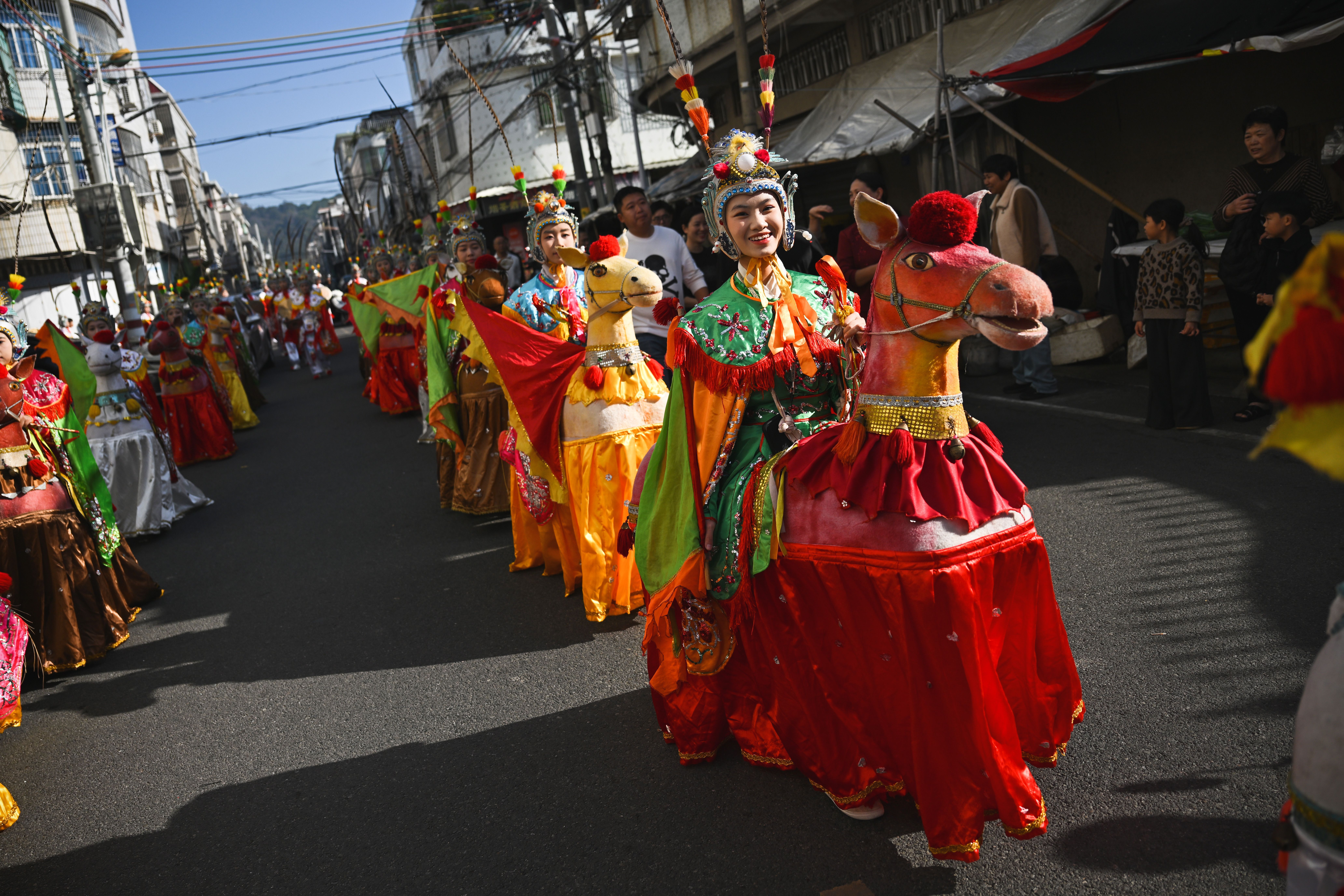
To step into the cultural ecology of the Nanjiang River basin is to encounter a living museum of resistance, where regional history is preserved not in textbook dry print, but in bodily memory, ritual kinetic movement, and the percussive acoustics of the local tongue. In contemporary tourism brochures, the unique folk assets of Yunfu—most notably the 禾楼舞 (Helou Dance) of the ancient rice valleys and the gravity-defying 连滩飘色 (Liantan Piao-se) parade—are frequently packaged as passive, scenic entertainment for the traveling consumer. Yet, from an academic and ethnobotanical perspective, these traditions represent a defiant “living archive.” They are physical and auditory codexes containing the raw memory of ancient migrations, the pragmatic engineering of isolated communities, and a long-standing refusal to be completely absorbed by imperial administrative engines.
The Helou Dance (禾楼舞): A Living Fossil of Ancient Baiyue Agriculture
The 禾楼舞 (Helou Dance), preserved in the fertile valley basins of Liantan and its surrounding ranges, stands as a spectacular, moving monument to prehistoric agricultural survival. While state promotion frames it as a “fossilized rice performance,” its deeper roots lie in the shifting, defensive agricultural strategies of the ancient Baiyue tribes. The choreography—marked by heavy, rhythmic foot-stomping, crouched animalistic poses, and agricultural pantomime—is a physical echo of a time when the high mists and steep karst slopes demanded communal labor, shared survival, and a profound botanical understanding of the landscape. Crucially, the traditional chanting that accompanies the dance utilizes the specific phonetic shifts and vowel patterns of the older West River regional tongue. When stripped of these original pronunciations, the harvest chants lose their poetic rhythm; they are not merely songs, but physical codes designed to align human labor with the steep, unpredictable microclimates of the South.
Liantan Piao-se (连滩飘色): The Theatrical Safeguarding of History
Similarly, the visual spectacle of 连滩飘色 (Liantan Piao-se)—where young children appear to float miraculously through the air on slender, hidden steel rods—is far more than a colorful street parade. Historically, this gravity-defying art was a celebration of Ming General Zhang Yuanxun and a pragmatic demonstration of local craftsmanship, metallurgy, and joint engineering passed down through protective lineage networks like the Liantan Zhu clan. In an era when mountain warfare and regional banditry isolated communities, the Piao-se parade was a dramatic mechanism of social cohesion and mutual defense. By projecting child-saints above the crowds, local clans visually demonstrated their mastery over both metal and space, establishing a proud local mythology that stood independent of the imperial court.
Restoring the Vernacular
By restoring the local, uncensored vernacular to these rituals and documenting their physical practices on this page, we reject the flattening gaze of centralized tourism. We invite cultural anthropologists, descendants of the mountain lineages, and independent researchers to utilize this digital space to archive, analyze, and defend the raw, unpolished, and sovereign beauty of the Nanjiang heritage.